While the wind and rains kicked up a blustery November gale outside, a large group of us packed in the Town Hall auditorium for Amperstand Live, an event hosted by a conservation organization called Forterra. We came with at least as many reasons as people present, but one shared reason drew us close to hear stories: our love of wild places and the Pacific Northwest.
And stories came these two and a half hours, from poets and wildlife photographers, a paper artist and children's book writer, a chocolatier and a wild mushroom hunter, a conservation canine (i.e., black lab) and his human coworker, architects and a classically trained singer, a dancer and a gospel choir, an ecologically-minded clothing designer and two radio talk show hosts. They stood up and spoke of place, through words and pictures, through song and story, through dance and poetry. And I sat these hours on the edge of my seat, leaning in as these voices howled like an emerging wind inside me.
I looked around the auditorium with a swelling pride of place. I live here, in this beautiful region, and I love it down in my bones. I feel less alone. These are my people, strangers though they may be. We are lit with similar flames.
Sitting there, I knew, I'm coming home to myself.
* * * * *
Being the introvert I am, I’m not too keen on socializing. Period. I hate small talk and ice breakers and being thrown in groups where the pressure to connect with people creates a sense of forced relationship. That, and I have no clue where to go to find more like-minded, open-hearted people, after more than two decades in the church.
So as I’m walking to our neighborhood community center in the rain at eight o’clock a recent Saturday morning, preparing for a morning of planting trees in Seward Park, making new friends is the very last reason I’m doing this. The social aspect of participating in Green Seattle Day is not a perk for me, more a nuisance I have to endure to get to the real pleasure: giving back to the forest, the birds, the park. The satisfaction of hard physical labor, of smearing dirt on my face and pants and shirt. The tiny hope that these trees we plant today will one day be towering members of the forest, extending its borders.
Arriving at the community center, I draw a deep breath and walk inside to a small group of people gathered in the waiting area. Within five minutes, I’m chatting with a single woman in her fifties, Lisa, fully relaxed. Ten minutes later, we’re in the gym with a growing group of people and I’m having a conversation with Ted, who works at a Trader Joe’s, about the perks of our kind of jobs. Thirty minutes later, I’m walking out to a school bus with Tamira, a single mom, and her two adorable boys, Luke and Jonah. Luke, five, wants to sit with me on the bus, and he sticks close to me the rest of the day.
“Are you sure you’re ok with this?” Tamira asks with a raised eyebrow. “He isn't usually drawn to people like this.”
“Yeah, of course. He’s super sweet,” I assure her. I’m not exactly what you’d call a kid person, either, I think. That is, they aren’t usually drawn to me. But this one is and I have no desire to fight it. This little boy with the rocker haircut, one side flopping in his big brown, long lashed eyes, with Spiderman pajamas peeking behind his ripped jeans, is an unexpected delight.
When we arrive at the park and climb off the bus, we gather in the rain beneath a tree for introductions and directions. Luke wants to stand by me and I reach out my hand to him. He takes it and all I’m aware of is the soft warmth of it, the smallness of it, in mine. The wonder that he took it at all.
We divide into groups - planters and mulchers - and I’m a mulcher. Which means I will make multiple trips from the planting site to the mulch pile with a wheelbarrow to fill and distribute around potted trees and shrubs. Again, Luke wishes to stay with me, so each trip down and back is peppered with puddle splashing, attempts to help steer the wheelbarrow, the removal of a rain boot to search for pesky pieces of mulch that inhibit his walking, a stop by the drinking fountain, instructions not to throw mulch on our heads as we’re shoveling, encouragement to hurry and catch up with me, and reminders not to play with shovels. I’m not used to being slowed down. And yet, somehow, it comes more easily today, adjusting my pace to include him.
We’re sweaty, streaked with mud, wet from rain, winded from the back and forth with heavy loads. I’d envisioned a morning that was more quiet, more reflective, more focused on the beauty of our surroundings, soaking in the peace of the trees and the songs of birds. But this, this was all about people working together. People caring for the forest and the birds. People of all ages, from babies to elders, showing up early on a rainy Saturday morning to give something back to the city parks. And a little boy tagging alongside me as I trekked and hauled and muscles ached, and all I could do was settle in and enjoy the companionship with strangers who quickly felt like friends.
It’s time to go and Luke and I climb the steps of the bus first, heading straight to the back where he says it’s his favorite spot. He squeezes in next to me on a small seat and heaves his jacket and water bottle across my lap, then turns to stare fixedly out the back window. Tamira calls to us from the front of the bus and asks me to take a picture of Luke and I with my phone and send it to her. I’m taking fish-faced selfies with a five year old at the back of an old school bus, covered in mud, and I wonder if maybe something was planted in my soil today, too. Something like joy.
Back at the community center, I’m chatting in line for a hot lunch with Emma, a twenty-three year old software tech who was on my team. We sit with Tamira and the boys, who have saved us a space at their table, and laugh through our delicious meal of Ethiopian food and hot chocolate. Luke and Jonah are stabbing apples with their forks and calling me silly names, with their boyish giggles and mud streaked faces. Emma and Tamira are making plans to help out again next weekend to finish the tree planting, because Tamira says she wants to volunteer like this with the boys nearly every weekend, and I wish I was going to be in town to join them.
I leave the community center with two new names and numbers saved in my phone and a genuine desire to see them again, these ones who also love parks and forests and getting dirty and giving back.
* * * * *
You know that feeling in your gut, perhaps especially after months and years of not knowing its dwelling, of finding your people? The core, the heart, of your life's work? I've known this, or thought I did, for brief periods of time in my young adult life - and it's been a long, long time since.
The last time I felt a deep sense of purpose would have been in my twenties, when I thought mostly of Africa. It consumed me, to some degree, enough to shape my two years in grad school and aspirations beyond. But all they amounted to were aspirations, in the end, blowing away in the rubble of loss. This sense of purpose and ambition that consumed me was all about where I was going, who I would be when I arrived there, and what big things I would do with my life. It was so very well-intentioned - and largely theoretical.
But this new-and-not-so-new sense of clear purpose is not about theory for me. It's not about arriving. Nor is it about defining identity, proving worth, warding off guilt or shame, or a deep-seated fear of failure. It's about living into: seeking, questioning, acting with intention, evolving, becoming. It's rooted in smallness, instead of bigness. The smallness of daily life choices. Of where and how to invest my time; of what to read and what to write; of what to eat and what to buy; of what to give and who or what to give to; of whether to walk or bus or drive or bike; of how to practice authentic faith and spirituality. The smallness of one human being showing up for life each day, as best she can, determined to leave evidence of love behind when she goes.
* * * * *
I've felt these colorful strands of story flapping in the breeze for more than a few years, side by side, not yet bound to each other. Crumbling of religion. Environmental stewardship. Advocacy. Deeper connectedness with the natural world. Artistic development. Insatiable curiosity. Slower pace. Sharper sight. Communion. Love of non-human beings. Rumblings of a new faith.
And I need you to know, those who have read me for some time now especially, that I am truly well. I don't even remember the last time I felt this good. And while not much has changed in certain life circumstances, some big changes are abrew and hope is pushing its way out of the ground. That, and I am constantly changing in ways that are expanding and liberating and healing me. Ways that are helping me feel deeply rooted in the tumult of change, connecting me more with my true self. My blog may be more quiet than it's ever been, but I am still writing. The words are just not intended for this space.
And that's a big part of why I'm not here on my blog much anymore: I'm shifting my focus. Most of my writing is being accumulated for what may or may not culminate in a book one day. While the essence of beautiful rubbish is one I carry inside me, wherever I go from here, I also sense a honing in of my voice in accordance with my life's work. I wish to keep these writings separate for now, my blog and this honed in place of writing. I also know that my audience, if it hasn't already, is likely to change. As my faith has shifted, I know some (or many) of my readers may lose a sense of connection with my story. While this does not need to be the case, I also understand and respect it. And you are free, always free, to come and go as best suits you. The door is ever open to you; and also, I cannot remain the same in order to keep anyone from leaving.
The truth is, I don't have any idea where my blog is going from here. And I'm at peace with that uncertainty. But for now, I'm still here, and I wanted to say hello - and thank you - to whoever is still reading.
Peace to you.
Back in September, I was asked by a friend and fellow writer, Liz von Ehrenkrook, to participate in a 31 day series of confessions she would be hosting on her blog in October. I thought about it, tentatively said yes, sat down to write, and soon changed my mind. Thank you, but I'm good, I told her. I've confessed my guts out this past year or more. I don't think I have anything more to say on the matter of faith.
But I was wrong. At the beginning of October, when her series was already in full swing, a confession started brewing in me. I wrote it down and offered it to her, for she still had a space to fill. While each writer in her series is kept anonymous, I felt the tug to open this up to my blog readers, too. This is all part of my journey, as a writer and a person transforming in her faith, and I realize as I grow more comfortable in my new skin, I have nothing to hide.
This is what Liz has to say about her series, before you head over to her blog:
There is something every single one of us keeps inside out of fear of
what others may think; maybe it’s a choice you’ve made that
has dramatically shifted your life or a personal belief that doesn’t
align with the organized religion of Christianity.
It is because of this I chose to craft a series of confessions
written anonymously by 31 friends. I wanted to create an opportunity for
Christians – current, former or questioning – to share a confession
they don’t feel the freedom to speak aloud for fear of being judged or
outcast. Each piece is written by someone I know and care about; someone
who chose vulnerability and invited me on their journey. Each piece is
honesty at its finest, and part of being a collector of stories and
words is to honor authenticity even when I might not fully agree.
The comments will remain closed. Writing a confession to be published
online has been a tough exercise for most of the writers, but it has
been a necessary step toward healing and growth for each person. I want
my friends to understand their value; to know it’s okay to feel what
they feel and say what they are saying without worry of judgmental
comments. If you’d like to respond to any of the confessions, you
can contact me via email (there will be a form at the end of each post),
or you can share on your own social media outlets to create discussion.
There is nothing we can do to make God love us any more or any less.
God loves every one of us, no matter what we’ve done or what we
question or what we choose to place our belief in. I do not think – as
humans – we know love without condition, so we will never fully
grasp the true depth of God’s love. As we hold to our own versions of
faith, religion and Christianity, we should not forget there are very
real people behind these confessions. I hope this series inspires
you not to fear sharing your journey with others, and I hope it
encourages the practice of being open-hearted towards those whose lives
and beliefs don’t align with our own.
And now, if you'd like to read my confession - or peruse the list of others, brave and beautiful - please continue here.
The light at dusk spills through our bedroom blinds, yellowed as the faded cotton of a vintage quilt. And there is dust. Copious dust, clinging to the blinds. The scent of freshly laundered clothes drapes like a curtain in the doorway. A red hummingbird feeder hangs from a copper chain outside the window. Feathered neighbors zip in and out, pausing, sipping, chittering, diving. Green and brown silhouettes against a backdrop of golden light.
It is the same light and it is never the same, each day a few breaths shorter. And these are the same birds, as much as I am the same, as yesterday, each of us several thousand breaths older. Together we inhabit this little slice of same, under an awning of rotting wood and concrete, beside a hanging basket of dying geraniums and a sycamore swaying in the breeze, on the corner of York Road South, on this ever-revolving, ancient earth we call home.
Linking up with Five-minute Friday, to the prompt of "Same."
Growing up Christian in America, I was thrown into overlapping cultures of a yes mentality.
In American culture, yes is often associated with positivity; possibility; hope; risk; openness. In Christian culture, there is possibility and hope, but yes is more often synonymous with faith; obedience; selflessness; service; discipline.
There is a bit of a fake-it-till-you-make-it approach to yes in Christian culture. Say yes, whether or not you feel like it, if that is the Right Thing to do. Your emotions will follow, but more importantly, you will reap the spiritual rewards of obedience.
So I grew up saying yes. Yes to weekly and twice weekly and sometimes thrice weekly church gatherings. Yes to daily bible readings. Yes to Christian books and Christian music and Christian friends. Yes to abstinence and promise rings and True Love Waits. Yes to mainline doctrine and theology and everything I was told to believe. Yes to raising my hands in worship. Yes to one-sided relationships with needy people - the more, the better. Yes, in fact, to whoever wished to be my friend. Yes to giving people second chances and third chances and endless chances, always the benefit of the doubt, no matter how they hurt me. Yes to volunteering, to leading, to ministry commitments.
Yes, ultimately, to God.
Still, I thought this was the way I was choosing, all these yeses. I want this, I told myself. It's what I've always wanted.
Until I landed in my counselor's office in the midst of a spiritual breakdown and utter life unraveling. And she said to me, more or less: "You can't say a genuine yes unless you've first been given the freedom to say a genuine no."
Because sometimes yes is a liberation and sometimes yes is a captivity to fear; we need to have the maturity to know the difference.
* * * * *
All along, many of those things and people and belief systems I was instructed to say no to were out of fear.
No, you cannot ask those questions. No, you cannot read that, watch that, enjoy that, listen to that, participate in that; they will corrupt you. They will rob you.
But what if yes, in itself, can rob us of freedom?
And so, I started learning to say no. Tentatively, quietly at first, growing steadier in my voice as time and ground grow firmer beneath my feet. No to saying yes out of fear. No, I won't be in church anymore. No, I can't read the bible right now. No to so many certain beliefs. No to Christian gatherings that trigger spiritual unrest. No to hiding who I am in order to make others more comfortable. No to friendships that no longer feel safe or life-giving. No to offers of friendship that feel counterproductive to my healing. No to endless games of catch-up in relationships. No to doing so many things out of obligation alone. No to a constant battering of self-doubt and shame. No to ignoring, stuffing, annihilating my needs.
No, even, to God.
That's right. I said no to God.
Not the no of a hard-hearted rebel (because haven't we Christians loved to paint people with such broad strokes?), but the no of a weary soul working out her faith with fear and trembling. No, I cannot be close to you right now, I say. No, I don't know what I think of you or what I believe, but somehow I know that is exactly where I need to be right now. No has become, for the time being, the most honest, courageous, soul-searching word I've said. A spiritual milestone. A practice of deep faith.
For surely, a God not big enough to hold me in my no is not big enough to sustain me in my yes.
Surely, a God this big deserves a yes coming not from obligation, fear, upbringing or familiarity, but from a woman having stared her nos in the face, wrestled with them, made peace with them and decided what she can say yes to. And so I give myself permission to hold these nos without condition. Some of the nos will remain, and others may transform, with time, into yeses. But I will know each yes coming from my heart, for they will be my own, honest and firm and unreservedly free.
* * * * *
It's been a long, long while since I linked up with Five-minute Friday. But here I am, writing way more than five minutes, to the prompt of "Yes."
I grew up with an intermittent longing to play piano. Not until I got older, however, did I hear songs - or snatches of them - in my head, like the words on the tip of the tongue, not quite formed. If I was near a piano, I would sit down and let my fingers rest on the keys, poised between mounting desire and frustration, consumed by my inability to give musical expression to what I was hearing.
Sometimes, the same is true with writing. The difference is, it carries a heavier weight, deeper pain, greater cost, to not find expression. Instead of hearing music, I hear voices; voices inaudible to all but the ears of the soul. These days, the core of who I am feels inextricably bound with giving voice to what I'm seeing, hearing, sensing, in the world around me and how it intersects with mine.
I grasp for words, not unlike I've done many times as a writer in the past. And at the same time, utterly unlike any grasping in the past.
There's an urgency to what I find myself compelled to write.
There's an overwhelming lack of words to wrap around it all, to know where to even begin.
There are two stories converging, parallel voices. I am seeing the transition and turmoil of my inner world reflected back to me in the natural world I fiercely love. It's as if we're both groping along in the dark, clasping hands tight, in this journey together for better or worse. To hear one speak is to know, in some facet, a curve of the other, for we belong to each other. But I am the one with a voice that carries through the noise of a human-centric world.
And there's confusion and fear, over whether it should all tumble out as a rant or dirge, prophet or poet, mystic or madwoman, another voice drowned out among the many. As if there's only one way this voice should sound, instead of the natural rise and fall of inflection and tone and cadence and style that voices tend to have throughout the telling of a story.
It feels too big, too vulnerable, too painful, too unresolved. Too sacred to do justice to the depths of beauty and raw ugliness of it. So much so, these days, I don't even want to try.
It's a magnificent, terrifying racket in my soul and I fear that, sitting down to write it, I'll once again find my fingers on the keys with no sound coming out.
But still, I try. I begin here, and I begin again and again, as many times as it takes to start. And when words fail, as they often do, I come with pictures.
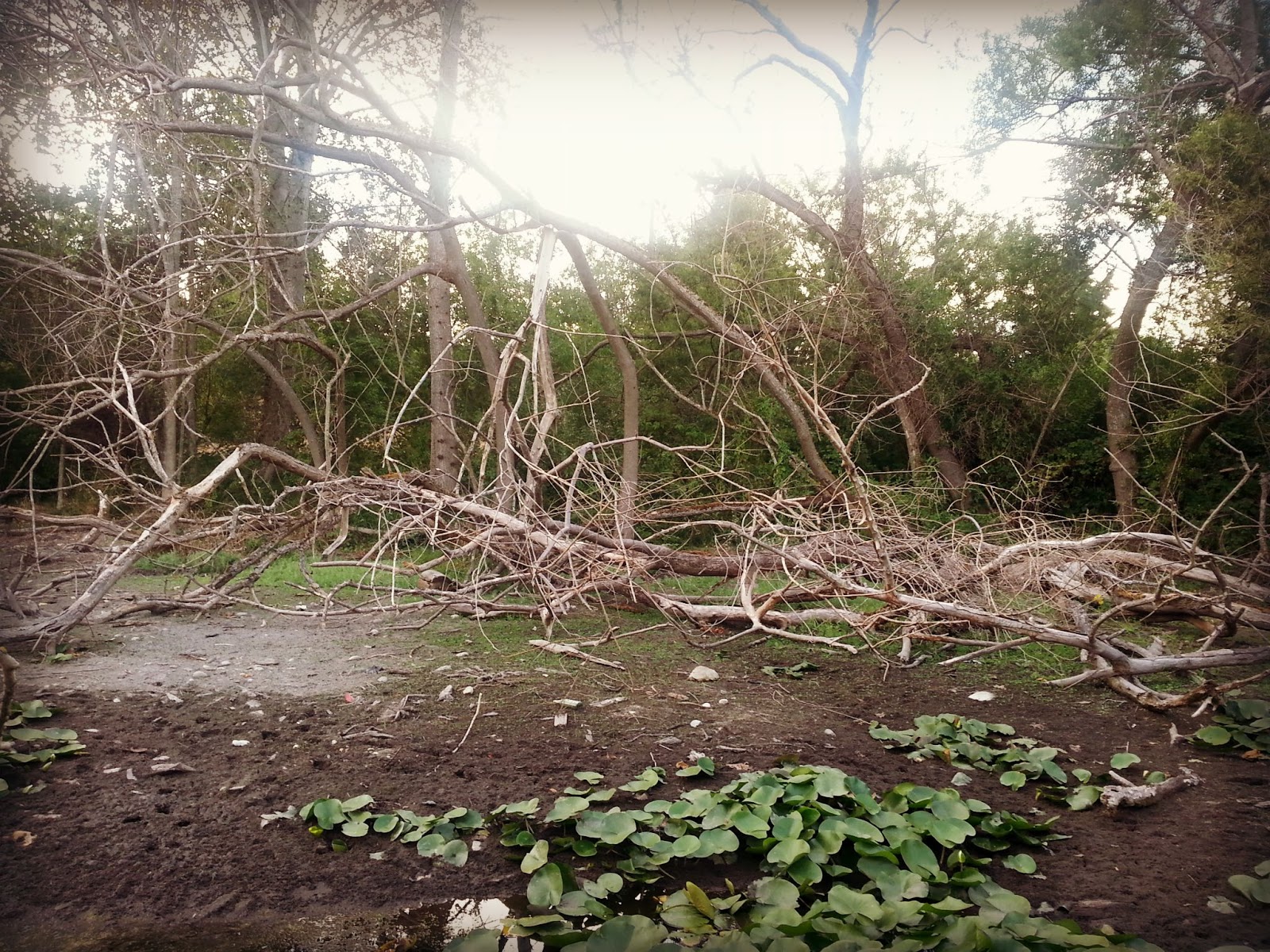
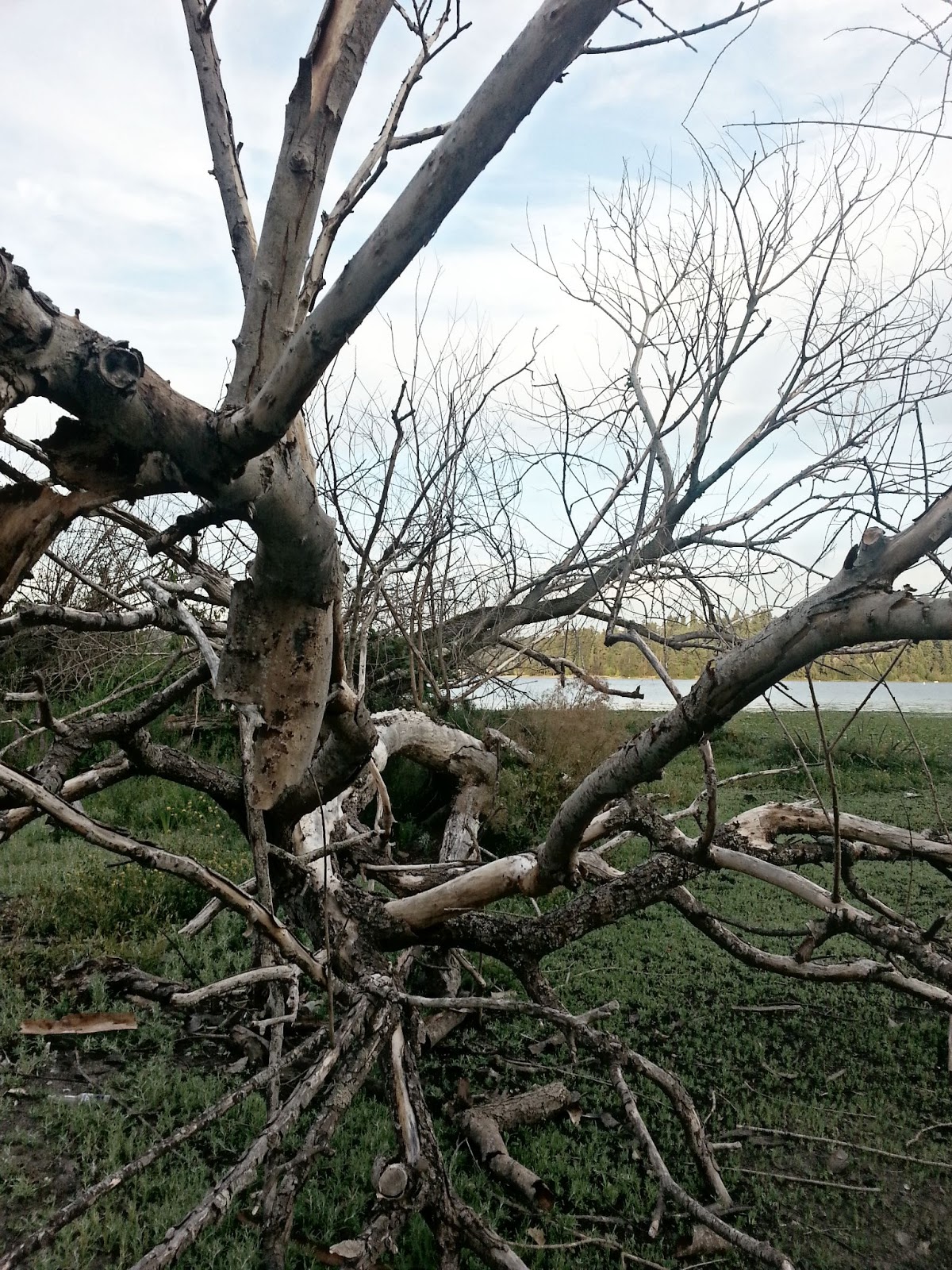
These images come from one of my favorite places in all of Seattle, down by a corner of the lake in the neighborhood I call home. After a mild, dry winter and a hot, dry summer, we are in the midst of drought, ravaged by numerous wildfires in other parts of the state. I choose to let these have the final words of this post today, as I have no way of wrapping things up neatly.
And neither do they.
In April, my
family spent two nights at a beach house, in a quaint little town on the Oregon Coast we
retreated to many childhood summers. Since long before Papa died, we
hadn't returned to this place together. But this is where we decided to
scatter his ashes, nearly seven years after his death.
This scattering was to be our goodbye. I knew in my heart, somehow, it wasn't mine. Not yet.
When
I saw his ashes, I couldn't believe how they looked like sand. Sand in
an hourglass, bleached white; I'd been prepared for them to resemble the
remains of a fire. It was surreal, seeing him reduced to nothing more
than what fit in a modest plastic bag, to hold him in my hands, to feel him slip away.
I
took a portion of him home, in the beautiful ceramic urn I bought a
month after he died, at Saturday Market in Portland. It's sat empty for
all these years on my wooden chest, waiting to hold him. Waiting, for who knows what.
* * * * *
I will forever remember him in a handful of cashews.
Buried in the chest of artifacts of Papa is a plastic bag of cashews nearly seven years old. I brought it home from Guatemala, from the peddler shuffling the streets of Panajachel along Lake Atitlan. He approached our table, four of us girls, as we sat dining outside with our cheap wine and flan, hauling his sacks of roasted nuts to sell. I answered him quickly, as I'd grown accustomed to doing, "No gracias, Señor."
He
didn't press us further, didn't hardly seem to register us, as if he
were suspended between one world and another, then turned and walked
away.
Papa had been less than two months dead. He hadn't yet shown up in my dreams, but I caught my first glimpse of him sitting on the steps of an open shop at the end of this day. Wearing a familiar tattered green sweatshirt, white socks, black shoes, sacks of roasted nuts at his feet. This memory of him is a watermarked photograph, singed around the edges.
We passed him by as the darkness spread through streets, hurrying back to our hotel. And he, wearing the weight of the day, of life, of dejection, of who knows what, on his shoulders, sunk into me.
I turned back to him with haunted eyes, this ghost of my Papa in the flesh of a Guatemalan man on the steps.
His name was Fransisco.
This time I really looked at him, looked at the lines on his face and deep into those weary eyes with cracks of light filtering through. I looked until my soul broke through its windows, spilling down my cheeks. Until I had to turn away. But not before I bought a handful of cashews with the remainder of my coins from the day and we locked eyes for a moment, and he smiled, faint and piercing, into my pain.
Back at our hotel, I excused myself and disappeared in the dark lobby, pressed into a corner, doubled over in waves. A flash flood of grief and questions.
* * * * *
It's not normal, I think, to catch his reflection, like a peek of his nose or bat of his eye, a swath of his skin, in such unlikely places. In such unlikely people. Because it's troubled me. Since that day of meeting Fransisco, I've only ever seen Papa in the faces of homeless men. Impoverished men. Men bent over, hidden in quiet masks of sadness. This is not how I wish to remember him.
But while the Papa of my childhood is fuzzy and nostalgic, endearing and hauntingly distant, the Papa of my adolescence and young adulthood is mangled, crushed in spirit, an ache in my gut. He is a storm battered ship, leaning into the wind, even as the hull is cracking. He is a set of blank journals, like those left behind by her mother in Terry Tempest Williams' When women were birds, speaking volumes and mysteries in the absence of words. This is how he's come to me. As if I've been entreated by the grief he left behind - his lonely ache, his unfinished dreams, his hopes deferred, his unspeakable pain - to see what he bore. To bear witness. To lay his pain to rest, as we have his ashes, save for the ceramic urn of what remains of him on my wooden chest.
I didn't know all these years, the depths of layers of grief. How his grief has haunted me in a cast of many faces. And I've searched to see him, to listen to these faces, to let go, as ash in the wind.
* * * * *
Seven years of sands have slipped through the glass.
And now I see, as I write this story, that these words are his ashes, scattered again and again. Through seven years of grieving and storytelling, digging deep, exposing layer after layer, slowly mending. This is my long goodbye.
I've written this story of the cashews
twice before, and with each telling, I release him to the wind, to the
sea, to the earth, to the heavens. Until today, when I do what I wish I would have done at the coast with his ashes, now with my words: I build a sandcastle, dig a moat, lay his remains in the trenches, watch the word-ashes
carried slowly out to sea.
He must be at rest now, no longer haunted or haunting, no longer entreating me to listen. There is no grave, no grave marker, but this moment. I've born witness here, it says. Now, rest in peace, sweet Papa.
I will always love you. And my heart concurs, It is enough.
I'm running through wooded trails on creaky knees. Cocooned in quiet, under umbrella of shade, in that middle space between light and dark. Each step radiates warning through my legs, axles grinding. But I can't stop.
Because the sun has lit her match and I'm racing the ring of fire.
In the heart of the woods, I see. The flames dancing on tree trunks, across forest floor, through fingers of peeking branches. They point toward the fire and I turn to follow their gaze. To the edge of forest, where all is set ablaze, burning yet not consumed. Here in these woods, I, too, burn. From head to toe and underneath my skin, as if to say, I'm alive I'm alive I'm alive.
Reluctant, I exit the fire.
The air outside the forest is a wool blanket on a summer night and a sheet of breeze flapping on the line; it is both. I gulp air, limp toward water, shed shoes as fast as the sun has smudged pink ash across lake shoulders. The water welcomes, soothes radiating skin, a cool hand brushing across my cheek. I plunge in head first and still I'm racing toward the edge of smoldering fire. Eyes squinting through curtain of water, enough light to see ahead, one breath to three strokes.
In the middle, I flip over to my back and I'm staring now at pale blue mystery, baptized in bigness.
My husband waits for me at the shore, holds my towel up and wraps around my shoulders. Dripping wet, I'm still burning, and I don't want to leave this place where flames dance on my skin, too, till all that remains is soul.
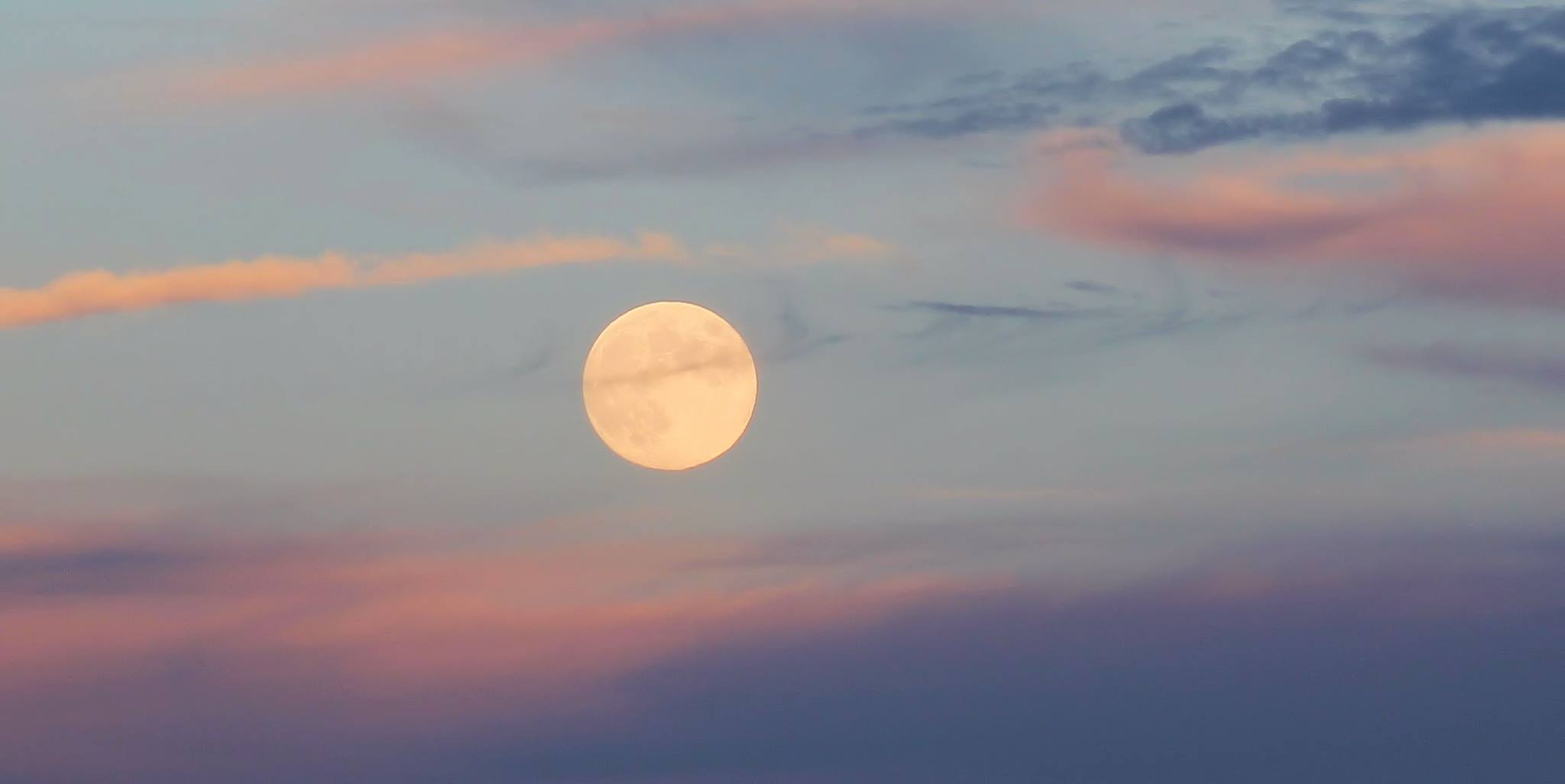
We drive the lake perimeter home, all traces of fire dissipated, until I look back at forest growing distant. A naked moon glows, bold and sheer, in bare chested sky above the woods, strikes a new match and sets me ablaze.
Burn, she says, and carry on.